
Blog
Understanding the Essentials of Electrical Generator Systems in Portland
In an age where consistent power supply means the difference between smooth operations and unexpected disruptions, the presence of a reliable electrical generator becomes indispensable. For residents and businesses in Portland, understanding the intricacies of generator systems can ensure that when outages strike, they're not left in the dark. Below are essential considerations for those looking to invest in electrical generators or seeking maintenance for their current systems.
1. Selection Criteria for Generators
Choosing the right electrical generator requires consideration of several factors including size, fuel type, and power capacity. The power demand of your residence or business premises should dictate the size of the generator you opt for. Smaller generators may suffice for basic needs like lighting and refrigeration while larger establishments might require more robust solutions to keep essential machinery running.
2. Installation by Professionals
Electrical installation isn’t just about plugging in a system; it's about ensuring safety, efficiency, and compliance with local codes. Professional electricians with expertise in generators understand how to integrate these systems seamlessly with existing electrical setups. Proper installation minimizes risks such as back feeding into utility lines or overloading circuits which can be dangerous or even deadly.
3. Fuel Options and Availability
Generators run on various fuel types including natural gas, diesel, propane, or gasoline. In Portland where environmental consciousness is high on the agenda, selecting a fuel-efficient model that caters to sustainability can be a priority. Additionally, considering local fuel availability during extended outages is crucial – this ensures your chosen generator will remain operational when you need it most.
4. Regular Service & Maintenance
Like any machine with moving parts and complex components, generators require regular maintenance to perform optimally when called upon during emergencies. Skilled technicians specializing in generator service are adept at performing routine checks such as changing oil filters, inspecting battery health, testing load capacities and ensuring all components are functioning properly.
5. Understanding Backup Power Needs
In-depth knowledge of your backup power requirements helps tailor services that match your specific needs – from sizing to installation location selection. A thorough evaluation can prevent potential issues like underutilization or overexertion of generator systems which affect longevity and reliability.
6. Noise Considerations
Generators have varying sound levels depending on make and model – an important consideration for noise-sensitive areas within Portland neighborhoods or businesses where tranquility is key. Modern generators often come equipped with sound-attenuating features that reduce noise pollution without sacrificing performance.
7. Safety Compliance
Adhering strictly to safety standards cannot be overstated when dealing with electricity generation equipment — improper handling can lead to fires or electrocution incidents among other hazards. Ensuring your provider follows stringent safety protocols protects property and lives alike.
8. Emergency Response
When sudden failures occur it’s imperative that quick professional help is accessible to address urgent repairs or replacements minimizing downtime impact especially critical for commercial establishments where every minute counts towards productivity loss prevention strategies should include having a reliable repair team ready at a moment’s notice.
By incorporating these points into your decision-making process regarding an electrical generator in Portland you ensure not only continued operations during power disruptions but also peace of mind knowing you've put trust into a system designed built maintained by experts who prioritize functionality security above all else Whether it’s safeguarding family comfort protecting business assets understanding essentials behind these powerful machines gives control back hands even unpredictable circumstances arise

Navigating Electrical Safety and Efficiency in Residential Spaces
Ensuring the safety and efficiency of electrical systems in residential spaces is an undertaking that requires expertise, precision, and a deep understanding of current electrical standards. A residential electrician in Portland plays a crucial role in maintaining these systems to prevent hazards and ensure optimal functionality. This article delves into several key areas where such professionals make a considerable impact on homeowners' lives, focusing on installation, repair, replacement service, maintenance, and the specialization in generators.
1. Comprehensive Electrical Installation Services
A foundational aspect of any safe and efficient home is the proper installation of electrical components. This process extends beyond just wiring; it includes setting up outlets, switches, lighting fixtures, and essential household appliances. An expert residential electrician ensures that all installations meet local codes and are optimized for energy efficiency. With attention to detail and adherence to safety protocols, these professionals safeguard homes from potential electrical mishaps while enhancing overall performance.
2. Expert Repair Solutions
Over time, wear and tear on electrical systems can lead to inefficiencies or even dangers such as short circuits or power outages. Prompt repairs by a qualified electrician can resolve these issues before they escalate into more significant problems. Whether it's a faulty outlet or a malfunctioning breaker box, having access to skilled repair services is vital for maintaining both the functionality and security of your home's electrical infrastructure.
3. Replacement Service for Outdated Equipment
Advancements in technology mean that older electrical components can become obsolete or may not perform as efficiently as newer models. A residential electrician has the expertise to identify when replacements are necessary—be it for enhanced performance or compliance with updated safety standards—and can execute these changes seamlessly. Upgrading outdated equipment not only improves energy efficiency but also aligns your home's system with contemporary safety expectations.
4. Preventive Maintenance Strategies
Regular service and maintenance checks are essential for ensuring the longevity of your home's electrical system. Routine inspections by an experienced electrician help identify potential issues before they develop into major concerns, saving homeowners from costly future repairs or replacements. Such preventative measures include testing circuitry, inspecting connections for signs of wear or corrosion, and verifying that all components function correctly.
5. Specialization in Generator Installations
In areas prone to power outages due to weather conditions or other disruptions, having a backup generator can provide peace of mind through uninterrupted power supply. Specializing in generators means offering installation services that ensure homes remain powered during outages without skipping a beat—a crucial service for many residents who wish to avoid the inconveniences caused by loss of electricity.
The importance of these services cannot be understated when considering the comfort, convenience, and safety they bring to residential spaces in Portland. Homeowners rely on their electricians not only for their technical skills but also their ability to provide reliable guidance on maintaining an efficient and up-to-date system.
When seeking out such vital services within Portland’s bustling neighborhoods—from historic craftsman houses requiring delicate care during upgrades to modern apartments needing state-of-the-art installations—homeowners seek out professionals who combine the latest knowledge with tried-and-true techniques.
In conclusion, whether providing comprehensive installation services tailored to individual needs or conducting precise repairs on complex systems—the role of a residential electrician is indispensable in ensuring our homes remain secure places where we can enjoy life’s daily comforts without concern over our electrical well-being.
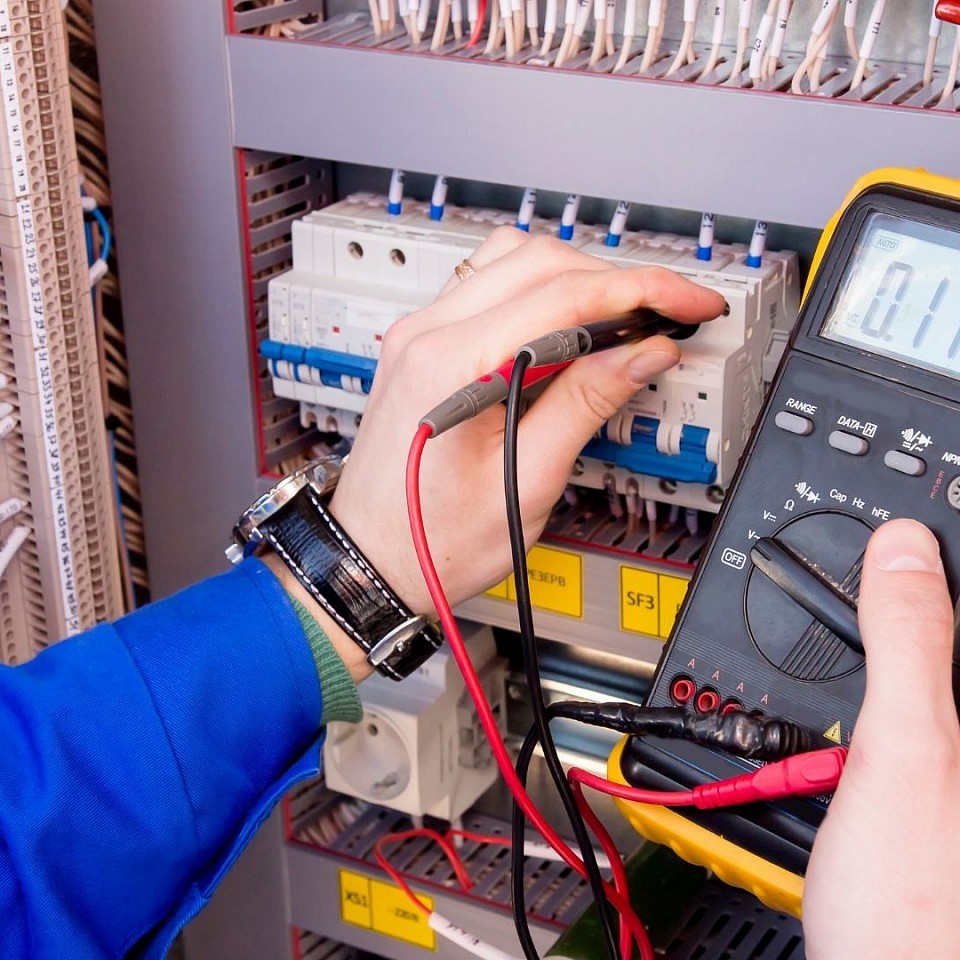
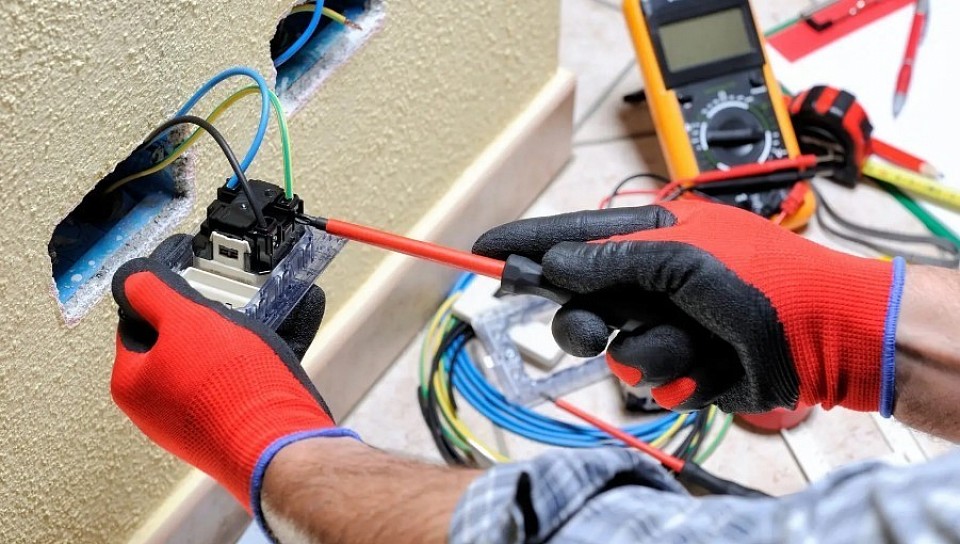
Powering Modern Life: Trends, Safety, and Reliability in Today’s Electrical Systems
Adapting to evolving energy needs requires more than new gadgets; it demands solid fundamentals and thoughtful planning. Whether in a home or a small commercial space, safe wiring, reliable equipment, and proactive maintenance create a resilient electrical ecosystem. Working with a licensed Electrician helps ensure that code compliance, performance, and longevity stay at the forefront, from the service entrance to the final outlet.
Safety-First Foundations
Electrical safety starts with proper grounding, secure terminations, and right-sized conductors. The best projects begin with a detailed load calculation and panel audit to confirm capacity for present and future demand. A well-scoped Electrical Installation Service considers circuit distribution, AFCI/GFCI protection where required, and labeling that makes troubleshooting faster and safer. Clear documentation may not be glamorous, but it saves time when adding circuits or diagnosing a tripped breaker months later.
Upgrades That Make a Difference
Aging panels, aluminum branch circuits, and overloaded receptacles are common pain points. Upgrading a service panel or replacing worn devices can reduce nuisance trips, improve voltage stability, and open headroom for high-demand appliances. Strategic lighting upgrades—especially with high-quality LED fixtures and dimmers rated for the load—cut energy use while boosting comfort. When planning an EV charger or heat pump, involve an experienced Electrical Contractor early. They can verify feeder size, breaker availability, and ventilation needs, then coordinate permits and inspections to keep the project on schedule.
Generator Solutions for Continuity
Outages disrupt more than convenience; they can affect safety systems, refrigerated goods, and home offices. That’s why many property owners look to standby or portable generators. A professional Repair and Replacement Service & Maintenance approach begins with identifying critical loads—furnace blowers, sump pumps, medical devices, refrigeration, network gear—and sizing the generator and transfer mechanism accordingly. Automatic transfer switches bring hands-off reliability, while interlock kits offer a cost-effective, code-compliant alternative when used correctly.
Key considerations when specializing in generators include:
- Fuel source selection, such as natural gas or propane, based on availability and runtime goals
- Proper ventilation and placement to reduce carbon monoxide risk and noise
- Load management strategies to prevent overtaxing the generator during startup surges
- Routine maintenance schedules for oil, filters, and exercise cycles to ensure readiness
Smart Controls and Load Management
Connected panels, energy monitors, and intelligent breakers give owners real-time insight into consumption patterns. These tools support targeted improvements—like shifting laundry to off-peak hours or right-sizing circuits for new equipment. Smart load shedding can prioritize essentials during backup power events, keeping critical systems active without manual intervention. Integrating surge protection at both the service and device level adds another layer of defense against voltage spikes.
Planning for the Long Term
Electrical systems should evolve with your space. A forward-looking plan includes capacity for future appliances, structured pathways for low-voltage data, and thoughtful placement of receptacles to reduce daisy-chained power strips. Routine inspections—paired with thermal imaging or torque checks—catch loose connections and heat buildup early. Collaboration with a trusted Electrician or full-service Electrical Installation Service ensures each upgrade is code-aligned and well-documented, preserving value while minimizing downtime.
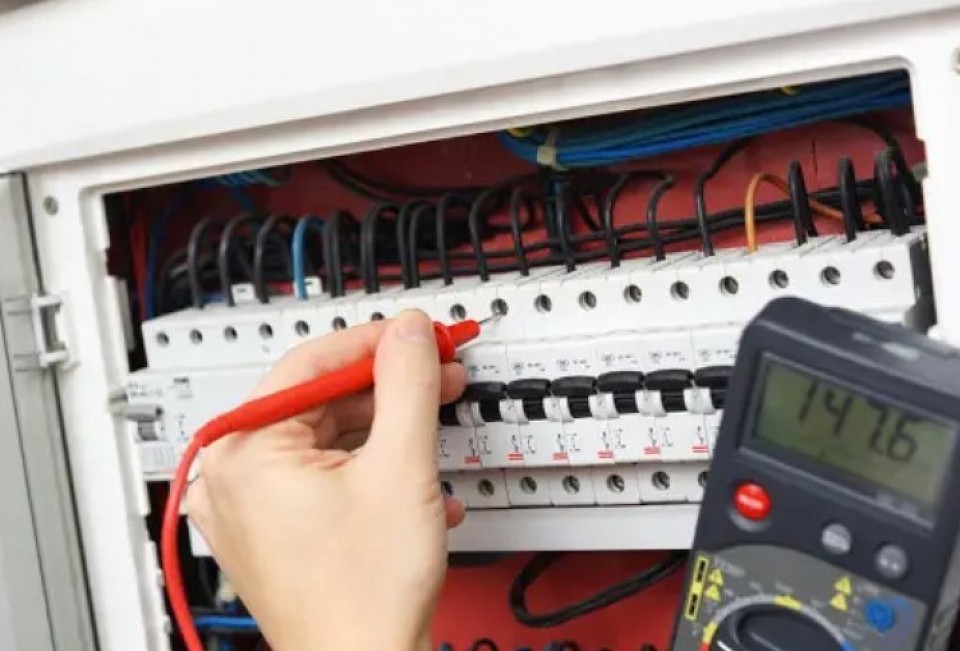
Staying Powered: Modern Electrical Services and Generator Expertise
Powering Today and Tomorrow: What Reliable Electrical Work Really Requires
Keeping homes and businesses running smoothly depends on clean, safe power and thoughtful planning. From new builds to upgrades and emergency fixes, a skilled Electrician brings more than tools to the job—they bring judgment, code knowledge, and a commitment to safety. With technology evolving and power demands shifting, comprehensive Electrical Installation, Repair, Replacement Service, and Maintenance have never been more important, especially for properties relying on generators to bridge the gap during outages.
Planning for Power: Design That Matches Real-Life Use
The best projects start with a clear plan. A seasoned Electrical Contractor looks beyond basic capacity to understand how occupants actually use power throughout the day. That includes mapping circuits for heavy‐draw appliances, evaluating panel space for future expansion, and ensuring grounding and bonding are up to current standards. Thoughtful designs reduce nuisance trips, extend equipment life, and provide room for new technologies like EV chargers or smart energy management.
Generator Know-How: From Selection to Seamless Operation
Generators demand specialized attention. Sizing matters, as does transfer switch compatibility and fuel source planning. Professional setup ensures safe isolation from the grid, proper ventilation, and clean power delivery to sensitive electronics. Routine Maintenance keeps systems ready when they’re needed most, while timely Repair or Replacement Service prevents small issues from turning into outages. An Electrical Installation Service with generator expertise understands load priorities, exercise schedules, and how to test under realistic conditions.
Safety and Code: The Non-Negotiables
Electrical work is governed by strict codes for good reason. Proper breaker protection, GFCI/AFCI placement, and fault current calculations protect people and property. A licensed Electrician verifies grounding paths, identifies outdated or damaged wiring, and documents work clearly. That diligence minimizes risk, speeds inspections, and provides peace of mind when expanding a system or renovating a space.
Choosing the Right Partner: What to Look For
Selecting the right team sets the tone for the entire project. Consider the following:
1) Licensing and insurance: Confirm active credentials and coverage for residential or commercial work.
2) Generator specialization: Ask about training, past installs, and support for your preferred brand or fuel type.
3) Clear scope and timeline: Expect a written plan outlining labor, materials, and coordination with other trades.
4) Code-first approach: Look for contractors who prioritize safety and compliance over shortcuts.
5) Responsive communication: Reliable updates reduce downtime and help avoid surprises.
6) Maintenance programs: Preventive service keeps panels, connections, and generators in top condition.
7) Warranty and follow-through: Strong support after the job is complete signals long-term reliability.
Upgrades That Make a Difference
Modern upgrades can dramatically improve safety and usability. Panel replacements offer more capacity and clearer circuit organization. Surge protection helps shield electronics from spikes. Smart panels and monitoring systems provide real-time data on usage, making it easier to shift loads, manage costs, and know when to schedule Maintenance. For properties with generators, automatic transfer switches optimize switchover speed and reduce manual intervention, while load-shedding modules prioritize essential circuits.
From Installation to Long-Term Care
Quality doesn’t end on installation day. Regular inspections catch loose connections, overheating signs, and breaker issues before they escalate. An attentive Electrical Contractor archives documentation, tracks component lifecycles, and schedules service around your operations to minimize disruption. Whether it’s a targeted Repair, a full Replacement Service, or a planned Electrical Installation Service for expansion, continuity is the goal—power that works the way you expect, every time.
Reliable power isn’t luck. It’s the result of careful planning, precise workmanship, and continuing care from a trusted Electrician. With the right partner and a focus on generators, code compliance, and future-ready design, properties stay safer, smarter, and prepared for whatever comes next.
Reliable Power Solutions: Modern Electrical Services and Generator Expertise
Powering Homes and Businesses: What to Expect From Today’s Electrical Pros
Modern electrical work is more than pulling wire and flipping breakers. It’s a coordinated approach that blends planning, code compliance, energy efficiency, and long-term reliability. Whether you’re preparing a home for a new appliance, upgrading a commercial panel, or adding backup power, choosing the right professionals and processes can make all the difference. A licensed Electrician brings practical field experience to each task, while an Electrical Contractor coordinates complex scopes, and a dedicated Electrical Installation Service ensures that every component is placed, tested, and documented properly.
Safe Design and Code Compliance
Every successful project starts with a thorough assessment. Load calculations, panel capacity checks, grounding verification, and arc-fault and ground-fault considerations inform a safe design. Local and national electrical codes provide the baseline, but a top-tier team goes further, considering equipment clearances, labeling, surge protection, and future expansion. Proper permits and inspections are essential safeguards that help protect people, property, and insurance eligibility.
Generators: Selection, Installation, and Maintenance
Generators have become a cornerstone of resilience for homes and businesses. Selection should account for fuel type, transfer switch compatibility, noise considerations, and the critical circuits you want to keep alive during an outage. Professional Electrical Installation includes slab or pad preparation, ventilation planning, routing of conductors, bonding and grounding, and functional testing under load. Ongoing Service & Maintenance keeps the system ready, from inspection of connections and conductors to exercising the unit and verifying transfer switch operation. When components age, a focused Replacement strategy prevents nuisance failures.
Electrical Installation Done Right
A dependable Electrical Installation Service covers the entire lifecycle of a project—scoping, material selection, installation, and verification. Organized wire management, appropriately sized raceways, torqueing terminations to manufacturer specs, and accurate circuit directories are nonnegotiable. Testing with calibrated instruments confirms continuity, polarity, and fault-clearing performance. Post-install documentation, including as-built updates and maintenance recommendations, sets the stage for long-term reliability and simplified service.
Repair and Replacement That Minimize Downtime
Even well-designed systems need attention over time. Connections can loosen, breakers can weaken, and devices can outlive their useful life. A skilled Electrician can troubleshoot efficiently with systematic testing and thermal scanning, addressing issues before they escalate. When equipment reaches end-of-life, a planned Replacement reduces disruption. This may include panel upgrades, device swaps, wiring corrections, or modernization of lighting controls. Clear communication about shutdown windows and staged work helps keep operations running smoothly.
How to Choose the Right Professional Team
Selecting the right partner is critical. An experienced Electrical Contractor coordinates timelines, trades, and inspections, ensuring all work aligns with code and manufacturer requirements. The goal is to deliver systems that are safe, efficient, and straightforward to maintain, with a clean, labeled installation that future technicians can understand at a glance.
Key Steps to Reliable Power
1. Define goals and critical loads, especially if adding generators, so design decisions reflect real-world needs.
2. Verify panel capacity, grounding, and bonding before any upgrade or new Electrical Installation to avoid hidden hazards.
3. Choose quality materials and devices rated for the environment, including outdoor enclosures and weatherproof fittings where required.
4. Schedule professional testing and commissioning to validate performance under actual load conditions.
5. Establish a Service & Maintenance plan that includes periodic inspections, cleaning, and timely Replacement of worn components.
6. Keep documentation current—permits, inspection reports, as-builts, and maintenance logs streamline future work.
7. Reassess needs after renovations, new equipment, or usage changes to maintain safety and efficiency.
Reliable electrical systems don’t happen by accident—they are the result of careful planning, expert workmanship, and consistent upkeep. With the right Electrical Contractor, a qualified Electrician, and a thorough Electrical Installation Service, homes and businesses gain safe, resilient, and efficient power that’s ready for today and adaptable for tomorrow.
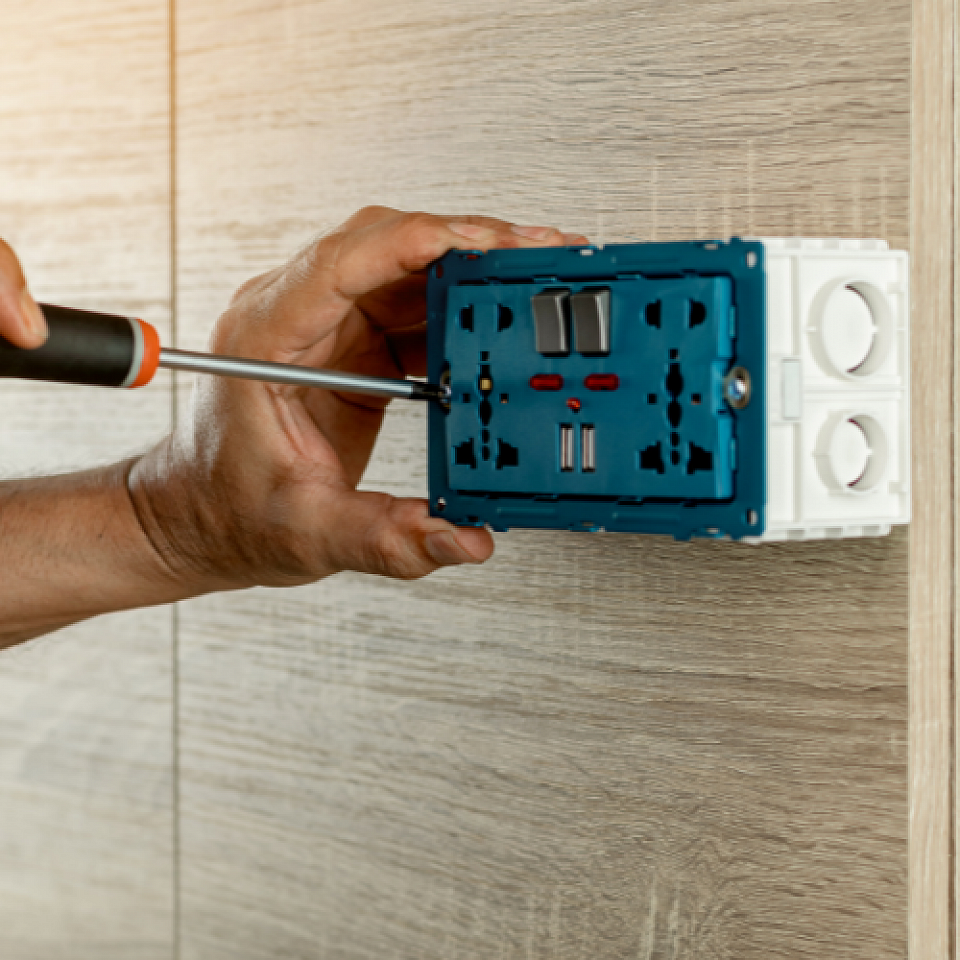
Reliable Power for Homes and Businesses: Making the Most of Generators
The Case for Standby Power
Unexpected outages can disrupt daily life, halt operations, and damage sensitive equipment. Homeowners worry about food spoilage and heat loss, while businesses face downtime and safety risks. A properly sized standby generator bridges the gap, keeping critical circuits energized and routines on track. Selecting the right unit starts with assessing essential loads—heating and cooling equipment, refrigeration, sump pumps, medical devices, and communications. With that list, you can determine whether a portable solution or an automatic standby system is the best fit for your property and risk profile.
Planning Your Electrical Installation
A successful project begins with a clear scope and accurate load calculations. Site conditions, ventilation, and clearance requirements all influence where a generator can safely reside. Fuel type—natural gas, propane, or diesel—affects runtime, maintenance intervals, and refueling strategies. A professional assessment ensures the transfer switch, conductors, grounding, and overcurrent protection are matched to the system and your service panel. This is where a seasoned Electrician shines, translating goals into a code-compliant plan that’s reliable when it matters most.
Professional Roles You Need
While homeowners often handle simple upkeep, generator systems call for licensed expertise. An experienced Electrical Contractor coordinates permitting, trenching or conduit runs, utility notifications, and inspections. They also verify that the generator’s starting current won’t overload the service or cause nuisance trips. If your project includes panel upgrades or rerouting circuits, an Electrical Installation Service ensures the work is integrated seamlessly, with clean labeling and documentation that simplifies future service.
Maintenance That Extends Lifespan
Reliability depends on regular attention. A routine Service & Maintenance schedule helps avoid surprises and extends equipment life. Key tasks include:
- Exercising the generator under load to verify performance
- Inspecting connections, terminals, and grounding for heat or corrosion
- Changing oil and filters per manufacturer guidelines
- Testing batteries, chargers, and automatic transfer switch functions
- Checking fuel quality, lines, and regulators for leaks or degradation
- Verifying ventilation and clearances remain unobstructed
Repair and Replacement Considerations
Even well-maintained systems can experience wear, especially in harsh environments or after extended run times. Timely Repair and Replacement decisions depend on part availability, age, and overall condition. Controllers, starters, and transfer switches are common service points. If you encounter repeated faults or rising repair costs, a planned Replacement can be more economical than piecemeal fixes. Upgrading may also improve efficiency, sound levels, and remote monitoring features that enhance visibility and response time during an outage.
Safety and Compliance Essentials
Electrical safety is nonnegotiable. Proper grounding and bonding prevent shock hazards, while accurate labeling assists first responders and technicians. Vent exhaust away from openings, and maintain the clearances specified by the manufacturer. Never backfeed a home through a dryer outlet or makeshift connections—use the correct transfer equipment installed by a qualified pro. Local codes and utility requirements evolve, so periodic reviews keep your system compliant and ready. With the combined support of a trusted Electrician, a detail-oriented Electrical Contractor, and a thorough Electrical Installation Service, your generator investment delivers dependable power when you need it most.

Building Resilience with Standby and Portable Generators
Selecting a Generator That Fits Your Needs
Choosing between portable and standby units depends on your goals, space, fuel source, and essential circuits. Portable units can cover key appliances on a temporary basis, while standby systems deliver automatic, whole-home or selective circuit coverage. An experienced Electrician can assess panel capacity, transfer switch requirements, and load priorities, helping you decide what suits your situation without overbuying or underpowering critical equipment.
Why Professional Installation Matters
A safe, code-compliant setup protects people and property. An Electrical Installation Service ensures the generator, transfer switch, grounding, and wiring all meet local regulations and manufacturer guidelines. Proper ventilation and clearance keep exhaust and heat in check, and fuel line routing must be handled carefully to prevent leaks or pressure issues. When these details are addressed from the start, reliability increases and long-term costs drop.
Maintenance Keeps Power Ready to Perform
Even the best equipment needs attention. Regular inspections, testing, and scheduled tune-ups help identify small issues before they become big problems. Maintenance tasks like changing filters, checking connections, cleaning terminals, and verifying transfer switch operation contribute to consistent performance. A qualified Electrical Contractor can establish a service schedule tailored to the equipment type and usage patterns, especially important for standby systems that must work at a moment’s notice.
Safety and Compliance: Non-Negotiables
Safety is central to generator ownership. Backfeeding can endanger utility workers and damage electronics, which is why a properly installed transfer switch is essential. Load management also matters; spreading demand across circuits prevents nuisance trips and protects sensitive devices. Grounding integrity, carbon monoxide mitigation, and surge protection are also key considerations that should be verified during install and routine checks.
Top Considerations for a Successful Generator Project
1. Site Assessment: Confirm space, ventilation, setbacks, and noise considerations to choose the ideal location for the unit and transfer equipment.
2. Load Prioritization: Identify must-run circuits like refrigeration, HVAC essentials, medical devices, and networking equipment to size accurately.
3. Fuel Strategy: Align fuel source with availability and storage practices, and inspect lines and regulators for safe, steady delivery.
4. Code Compliance: Ensure permits, grounding, bonding, and clear labeling support safe operation and streamlined inspections.
5. Maintenance Plan: Establish a recurring schedule for testing and servicing to keep the system ready during outages.
6. Professional Oversight: Engage an Electrician early to coordinate design, installation, and verification testing.
7. Upgrade Path: Consider panel capacity, future loads, and transfer switch flexibility for later expansion or Replacement Service needs.
Repair and Replacement Service: Knowing When to Act
Signs of trouble include difficulty starting, inconsistent power output, unusual noises, or persistent fault codes. Timely Repair can restore performance and avoid cascading damage. When equipment reaches the end of its service life or no longer meets demand, a thoughtful Replacement Service can improve efficiency, reduce downtime risks, and simplify maintenance.
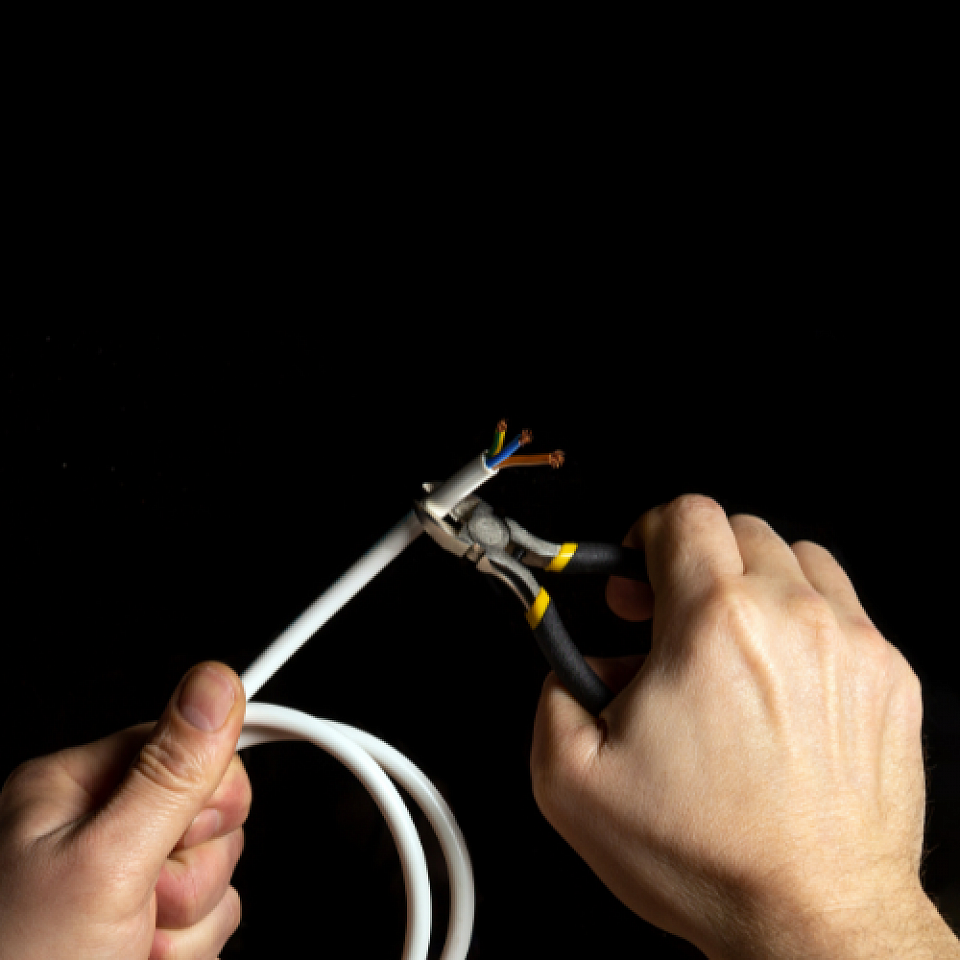
Reliable Power Solutions: The Evolving Role of Electrical Pros in Homes and Businesses
Power Reliability and Safety in Modern Buildings
Across homes and businesses, power quality, continuity, and safety are top priorities. Aging infrastructure, expanding appliance loads, and increasingly sensitive electronics demand thoughtful planning, precise workmanship, and steady upkeep. Whether it’s a new build, a renovation, or preparing for outages with standby power, success hinges on experienced hands and clear standards from start to finish.
The Expanding Scope of an ELECTRICIAN
Today’s ELECTRICIAN is a problem-solver, designer, and safety advocate. Beyond wiring and devices, the role includes assessing load needs, coordinating with other trades, and integrating systems that improve resilience. This professional evaluates panel capacity, grounding, bonding, and protective devices to reduce shock and fire risks. With a focus on safe practices, an ELECTRICIAN also helps clients understand when to repair, when to replace, and how preventive steps can extend the life of critical components.
Why an ELECTRICAL INSTALLATION SERVICE Matters from Day One
A well-planned ELECTRICAL INSTALLATION SERVICE does more than connect circuits. It aligns placement, load calculations, and protective equipment with the way a space is used. Proper conductor sizing, correct overcurrent protection, and clear labeling streamline both troubleshooting and future upgrades. When lighting, receptacles, surge protection, and backup systems are installed correctly from the outset, downtime drops and safety improves. A robust installation also sets the stage for effective maintenance, reducing the likelihood of nuisance trips, overheated components, or premature failures.
The Specialized Path of an ELECTRICAL CONTRACTOR
An experienced ELECTRICAL CONTRACTOR coordinates the whole picture: design intent, code compliance, permitting, schedules, and quality control. This includes selecting equipment to match real-world conditions, managing panel and subpanel layouts, and integrating controls for efficiency and safety. A dependable ELECTRICAL CONTRACTOR also outlines a clear plan for inspections and testing, ensuring that every circuit, device, and protective component operates as intended. That coordination protects occupants, preserves equipment, and helps projects stay on track.
Generators: Installation, Repair, Replacement, and Maintenance
Standby and portable generators have become essential for many properties. A comprehensive approach covers Electrical Installation, Repair, and Replacement Service & Maintenance - specialize in Generators to ensure they are ready when needed. Proper sizing, fuel type selection, transfer switch integration, and ventilation are critical to performance and safety. Regular inspections, load testing, and timely repairs prevent surprises during outages. When a unit nears the end of its service life, a thoughtful replacement plan improves reliability while meeting current electrical demands.
A Practical Checklist for Property Owners
1. Assess load needs: Inventory major appliances, HVAC, EV charging, and sensitive electronics to guide panel capacity, circuit counts, and generator sizing.
2. Confirm grounding and bonding: Proper grounding and bonding reduce shock hazards, stabilize voltage, and help protective devices operate correctly.
3. Prioritize surge protection: Whole-home or facility-wide surge protection safeguards appliances, controls, and data from voltage spikes.
4. Plan for maintenance: Schedule periodic inspections, tighten connections, and clean enclosures to limit heat buildup and wear.
5. Test backup power: Run and load-test generators and transfer switches regularly to confirm automatic operation and fuel readiness.
6. Document everything: Keep labeling, panel schedules, and maintenance logs current to speed repairs and minimize downtime.
7. Upgrade strategically: When adding high-demand equipment, coordinate panel upgrades or circuit additions to prevent overloads and nuisance trips.
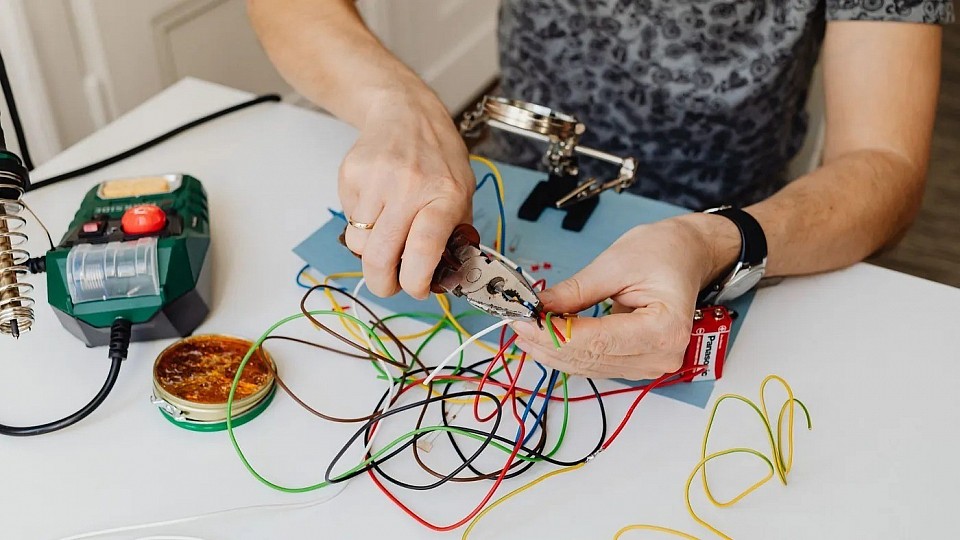
Modern Electrical Systems: Safety, Efficiency, and Smart Upgrades
Safety Starts at the Panel
Every reliable electrical system begins at the service panel. Aging breakers, overcrowded circuits, and outdated wiring can quietly undermine safety and performance. A licensed Electrician evaluates load demands, checks grounding and bonding, and identifies components that no longer align with current codes. Upgrading the panel or redistributing circuits helps prevent nuisance trips, overheating conductors, and voltage fluctuations that can harm sensitive electronics. An experienced Electrical Contractor also verifies surge protection and arc-fault and ground-fault coverage in critical areas, improving both safety and resilience.
Lighting That Works Smarter
Lighting design has moved far beyond swapping bulbs. Today’s solutions blend LED technology with thoughtful placement, color temperature planning, and automated controls for comfort and savings. Task lighting in kitchens and workshops, layered illumination in living rooms, and low-glare ambient lighting in offices all contribute to productivity and well-being. An Electrical Installation Service can integrate dimmers, occupancy sensors, and daylight-responsive controls, so spaces feel balanced throughout the day. With LEDs offering higher efficacy and long life, the return on smart lighting is not just energy efficiency, but also better visual quality.
Powering the Connected Home
The modern household relies on networks of devices—appliances, servers, chargers, and entertainment systems—that draw power in granular, sometimes unpredictable ways. A qualified Electrical Contractor ensures circuits are right-sized and well-distributed to avoid bottlenecks and brownouts. Dedicated circuits for home offices, media rooms, and workshops reduce interference and enhance stability. Whole-home surge protection and quality grounding protect gear from transient spikes, while properly located receptacles keep cords managed and safe. When homeowners consider future expansions—like a backyard studio or finished basement—a proactive Electrician can design capacity and conduit pathways that make upgrades simpler and cleaner down the line.
Preparing for Transportation Electrification
Electric vehicles continue to reshape residential and commercial power needs. Installing a charging circuit affects panel capacity, load calculations, and sometimes utility coordination. An Electrical Installation Service can assess whether a Level 2 charger fits within existing capacity or if a panel/service upgrade is appropriate. Careful planning of charger placement, conduit routing, and cable management keeps installations tidy and code-compliant. In multifamily and light commercial settings, networked chargers and load-sharing controls help balance demand while offering convenient access for multiple users.
Reliability Through Preventive Care
Electrical systems benefit from periodic attention. Thermal imaging can reveal hotspots at terminations; torque checks ensure lugs and bus connections remain secure; and routine testing confirms that safety devices operate as intended. An attentive Electrical Contractor documents findings and creates a maintenance plan tailored to the property’s usage. This approach minimizes downtime, reduces the risk of surprise failures, and extends equipment life.
When to Call a Pro
Consider consulting a licensed Electrician if you notice:
- Frequent breaker trips or dimming lights under load
- Warm or buzzing outlets and switches
- Discolored panel components or a burning odor
- Flicker after appliance startups
- Plans for significant remodels, additions, or EV charging
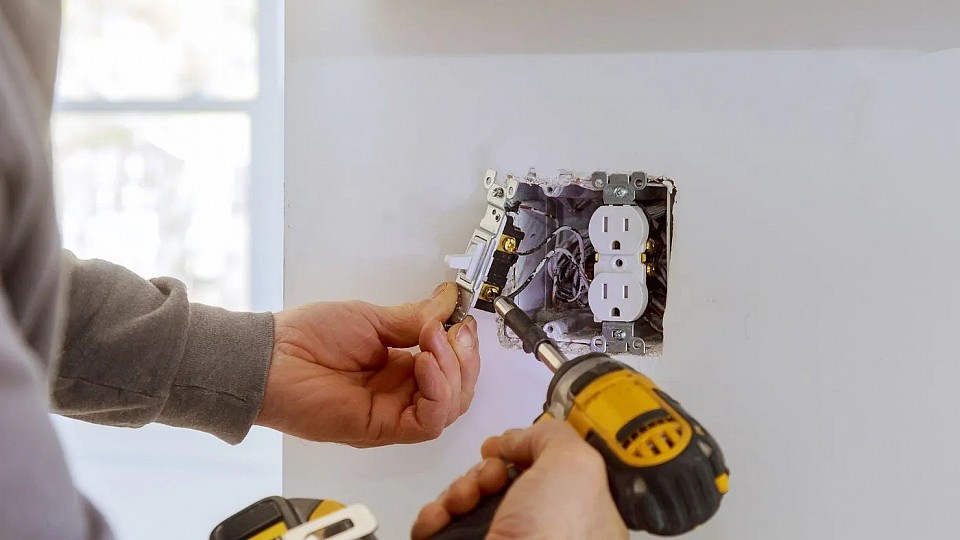
Powering Progress: Trends Shaping Today’s Electrical Industry
The Evolving Electrical Industry: Safety, Efficiency, and Smart Integration
The electrical industry is moving fast, driven by safety expectations, smart technology, and the push for efficient, resilient power. Homes, offices, and industrial facilities are investing in reliable systems that support modern lifestyles and business continuity. At the center of this movement are qualified pros who plan, install, test, and maintain systems with a focus on long-term performance. Whether engaging an Electrician for a troubleshooting call, partnering with an Electrical Installation Service for a remodel, or coordinating a large project through an Electrical Contractor, sound decisions early on translate to safer, more dependable outcomes.
Safety and Code Compliance
Safety remains the foundation of every design and upgrade. Code changes reflect lessons learned from the field, improving grounding, arc-fault and ground-fault protection, and equipment labeling. A careful load calculation, proper conductor sizing, and selective coordination for overcurrent devices help reduce risks while keeping critical circuits online. Routine inspections, thermal scanning of panels, and clear documentation turn maintenance from a reactive scramble into a proactive plan that reduces downtime.
Smart and Connected Systems
Connected devices have transformed expectations. Lighting controls, smart panels, and integrated sensors deliver granular control, energy visibility, and automation that adapts to occupancy and daylight. Networked systems also demand clean power and carefully planned infrastructure. An experienced Electrician can verify compatibility between controls and fixtures, while an Electrical Installation Service can integrate low-voltage, power, and data so systems communicate without interference. When projects span multiple trades, an Electrical Contractor coordinates timelines, commissioning, and user training for a smooth handoff.
Power Quality and Resilience
Sensitive electronics and variable-speed equipment benefit from stable voltage and clean waveforms. Power quality strategies may include surge protection at service and branch levels, harmonic mitigation, and proper grounding and bonding. Facilities that need uninterrupted service often consider transfer switches, load shedding, and strategically placed backup circuits to maintain essential operations. Testing under load and simulating fault conditions are critical steps that confirm real-world readiness before occupants rely on the system.
Sustainable Electrification
Electrification is broadening, from heat pumps to electric vehicle charging and high-efficiency cooking. These updates can impact service size, panel space, and feeder capacity. Right-sizing equipment, planning for scalable loads, and using high-efficacy lighting conserve energy without sacrificing performance. In many cases, phased upgrades let property owners prioritize safety and reliability today while reserving space for future circuits. Collaboration among design teams and a capable Electrical Installation Service ensures the infrastructure supports both current and anticipated needs.
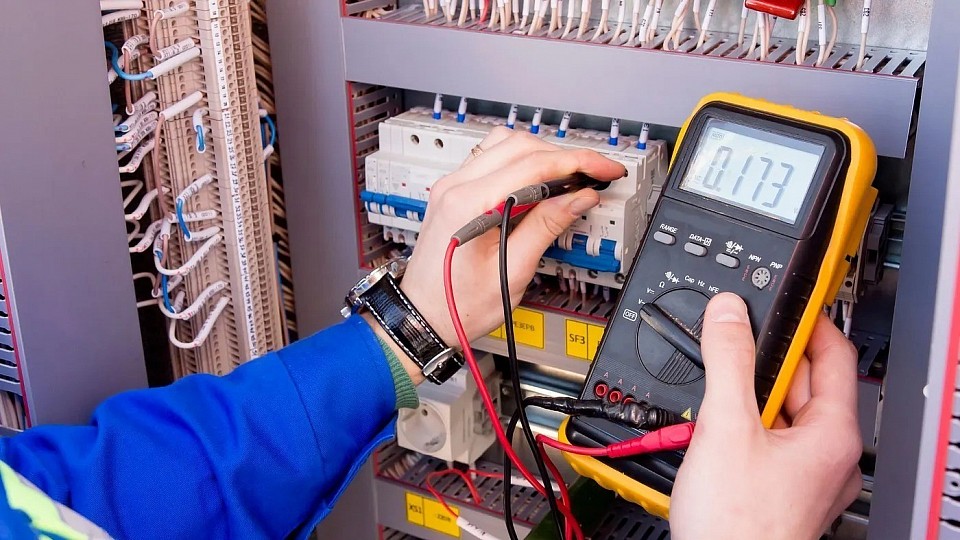
Powering Progress: How Today’s Electrical Pros Keep Homes and Businesses Running Safely
The Modern Electrical Landscape: Safety, Efficiency, and Reliability
From smart homes to electrified commercial spaces, the electrical trade is evolving quickly to meet rising expectations for safety, reliability, and energy efficiency. Behind every dependable system is a skilled professional—an Electrician or an Electrical Contractor—who plans, installs, and maintains the infrastructure that keeps lights on, devices charged, and operations moving. Whether it’s a new build or a retrofit, a well-managed Electrical Installation Service is essential to achieving performance and compliance without surprises.
Residential Trends Shaping Upgrades
In homes, demand is expanding beyond simple lighting and outlets. Backup power readiness, electric vehicle charging, and integrated control systems are common upgrades, often paired with panel evaluations to ensure capacity and future flexibility. A knowledgeable Electrician can assess load requirements, select compatible components, and coordinate safe tie-ins that protect equipment and people. When handled through a comprehensive Electrical Installation Service, projects typically move more smoothly, with clear timelines and documented testing.
Commercial Power Planning Essentials
Businesses depend on power quality and uptime. Even minor voltage fluctuations can disrupt sensitive equipment, making robust distribution, grounding, and surge protection vital. An experienced Electrical Contractor helps map out circuit segregation for critical loads, specify protective devices, and plan for expandability as operations grow. Thorough documentation—single-line diagrams, labeling, and maintenance schedules—also supports safer troubleshooting and quicker recovery when issues arise.
Smart and Sustainable Systems
Smart controls amplify efficiency by aligning power usage with actual needs. Occupancy sensors, dimmable LED lighting, and demand-response strategies can curb waste without sacrificing comfort or productivity. In larger installations, submetering and power monitoring provide visibility into consumption patterns, allowing targeted improvements. A capable Electrician ensures that connected devices are configured securely and that updates don’t compromise system stability. An Electrical Installation Service that prioritizes commissioning and user training helps owners realize the full value of these technologies.
Code Compliance and Risk Reduction
Electrical codes evolve to address new technologies and hazards. Staying current is nonnegotiable, since compliance underpins both safety and insurability. An Electrical Contractor reviews plans for conformance, verifies grounding and bonding, and confirms that protection settings match equipment ratings. Proactive risk reduction—arc-fault and ground-fault protection where required, correct conductor sizing, and clear labeling—reduces downtime and enhances occupant confidence.
Key Steps for a Reliable Project
1. Define scope and loads: Identify present and future demands, including dedicated circuits for high-draw appliances and equipment.
2. Evaluate infrastructure: Assess service capacity, panel space, and wiring condition before committing to new devices or layouts.
3. Align on codes and permits: Ensure all work meets current standards and that required approvals are obtained before installation.
4. Select quality components: Use listed, compatible products to minimize failures and streamline long-term maintenance.
5. Plan for testing and commissioning: Verify performance under real conditions and document results for future reference.
6. Schedule maintenance: Build a routine for inspections, cleaning, and torque checks to sustain reliability and safety.
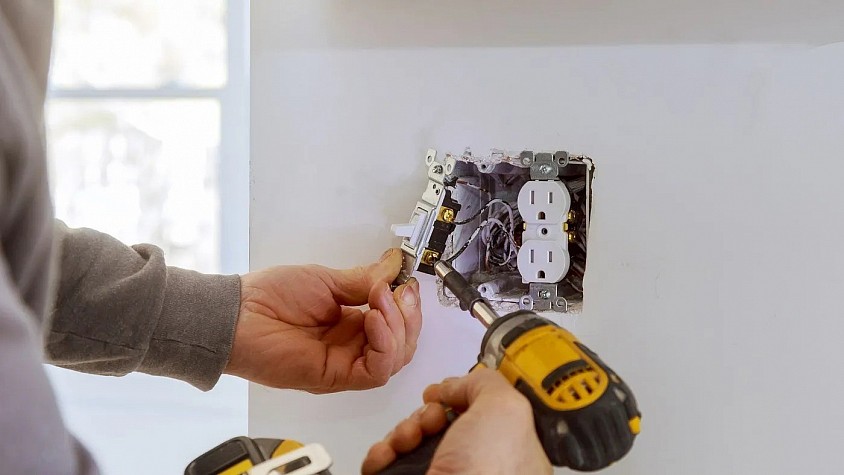
Powering Resilience: Smart Strategies for Reliable Home Electrical Systems
Staying Connected When It Counts
Modern homes rely on steady, safe power for everything from medical devices to remote work. As weather swings grow more frequent and energy demands rise, homeowners are prioritizing system reliability and backup solutions. Whether you’re exploring an electrical generator portland homeowners trust during outages or seeking routine maintenance, smart planning keeps the lights on—and your household protected.
Assessing Your Home’s Power Priorities
Before investing in upgrades, identify your essential loads. Ask which circuits must stay on during an outage: heating, refrigeration, internet, lighting, and sump pumps are common choices. A thorough assessment informs panel capacity, wiring health, and generator sizing. Partnering with a seasoned professional, such as a residential electrician portland residents rely on, ensures accurate calculations and code-compliant designs.
Choosing the Right Backup Power
Backup options range from portable units to fully integrated standby systems. Portable generators can support a few circuits when paired with a safe transfer solution. Standby generators, installed on a fixed pad and connected to natural gas or propane, start automatically when the grid fails and can power entire homes or selected circuits. For long-term dependability and convenience, many households opt for a professionally installed standby generator with a dedicated transfer switch.
Safe, Code-Compliant Installation
Electrical Installation, Repair, and Replacement must meet local codes and manufacturer specifications. Proper grounding, bonding, and load balancing are essential for safe operation. A qualified electrician portland homeowners hire will verify panel condition, evaluate service capacity, and route conductors to minimize voltage drop. For Service & Maintenance—especially when you specialize in Generators—correct placement and ventilation matter as much as wiring. Clearances from windows and doors, secure fuel connections, and weather-ready enclosures protect both equipment and people.
Proactive Maintenance Extends Lifespan
Reliability doesn’t end with installation. Scheduled inspections reduce surprise failures and preserve warranty coverage. A maintenance routine for standby systems commonly includes:
Visual checks for corrosion, leaks, or rodent intrusion
Battery health tests and terminal cleaning
Oil and filter changes at manufacturer-recommended intervals
Air filter inspection and replacement as needed
Verification of automatic transfer switch operation
Full-function test runs under load to confirm performance
Upgrades That Improve Everyday Efficiency
Backup power is one piece of a healthy electrical ecosystem. Panel replacements, dedicated circuits for high-demand appliances, and AFCI/GFCI protection contribute to safety and efficiency. LED lighting retrofits and smart load management tools help reduce strain on circuits and can make generators more effective by lowering overall demand. If your home office, EV charger, or heat pump has expanded your load profile, a professional assessment can align upgrades with your backup strategy.
Weathering the Pacific Northwest Climate
Moisture, wind, and occasional ice can challenge even sturdy equipment. Weather-sealed enclosures, elevated generator pads, and tidy cable management protect components from the elements. Surge protection at the service entrance guards sensitive electronics against voltage spikes, while whole-home monitoring alerts you to anomalies before they become outages.
Peace of Mind Through Planning
Thoughtful design, careful installation, and ongoing care create a resilient home power plan. By prioritizing essential circuits, selecting the right generator, and scheduling regular service, you’ll be prepared for routine demands and unexpected disruptions alike. When it’s time to act, look for a residential electrician portland households trust for transparent guidance, safe workmanship, and responsive support tailored to your property and lifestyle.
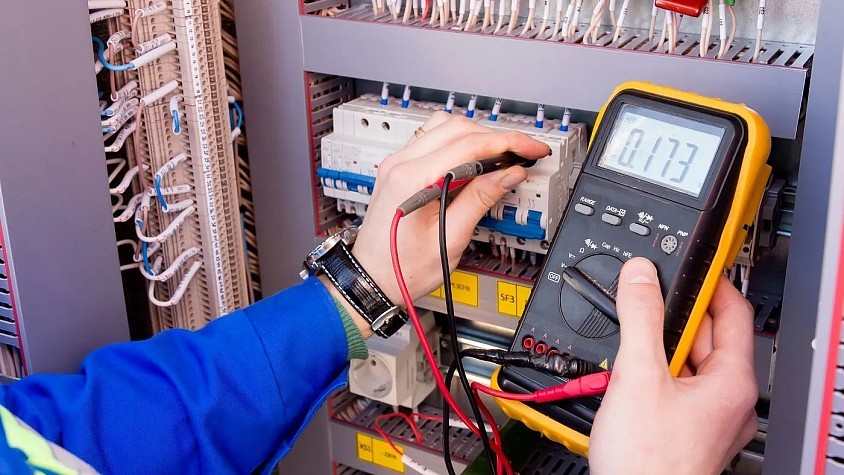
Powering Portland Homes: Smart Generator Planning and Care
The Role of Reliable Home Power in the Pacific Northwest
When storms roll in or grid upgrades trigger temporary outages, a dependable backup plan keeps daily life on track. A well-planned generator setup offers peace of mind, protects electronics, and maintains essential comforts. Whether you’re cooking, working from home, or keeping medical devices powered, a thoughtful approach to selection, electrical installation, service, and long-term upkeep makes all the difference. That’s where a residential electrician portland can help navigate choices and safety standards while tailoring solutions to local conditions.
Choosing the Right Home Generator
Backup power isn’t one-size-fits-all. The right option depends on your home’s layout, priority circuits, fuel preferences, and noise considerations. If you’re evaluating an electrical generator portland residents typically weigh the balance between whole-home coverage and essential-load panels that focus on heat, refrigeration, lighting, and internet. Factor in placement for proper clearances and ventilation, and consider transfer equipment that safely isolates your home from the grid during an outage. An experienced electrician portland can help you compare features and plan for future expansion without overcommitting your budget.
Safe Electrical Installation and Code Considerations
Professional electrical installation ensures safe operation and compliance with current codes. Generator wiring involves transfer switches, grounding, load management, and coordination with existing panels. Proper interlock or automatic transfer mechanisms prevent backfeed hazards and protect line workers. Placement must consider exhaust flow, weather exposure, and secure footing. Clear labeling and documentation help everyone in the home understand how the system operates. A licensed pro will test the setup under simulated load and walk you through start-up and shutdown procedures so you’re ready when the lights go out.
Ongoing Service & Maintenance Essentials
Even the best equipment needs routine attention to stay dependable. Service and maintenance keep components clean, lubricated, and ready to respond. Build a simple plan and stick to it with calendar reminders and seasonal checkups. Consider this core checklist:
Run periodic test cycles to confirm smooth starts and stable output.
Inspect connections, transfer equipment, and protective devices for wear or heat damage.
Replace consumables such as filters and plugs at recommended intervals.
Keep enclosures clear of debris and verify ventilation paths are unobstructed.
Monitor alerts and indicator lights, addressing minor issues before they become major repairs.
Document each visit, including test results, parts replaced, and any updates to circuits or loads.
Review fuel condition and storage practices where applicable, following safety guidelines.
Repair and Replacement: Knowing When It’s Time
Even with diligent care, parts will age. Early signs that point to repair include hard starts, fluctuating output, unusual vibration, or recurring fault codes. Skilled troubleshooting isolates root causes, from control boards to transfer assemblies. If repair costs stack up or the system struggles to meet growing demand, a carefully planned replacement may be the smarter move. Upgrading offers improved efficiency, quieter operation, and enhanced safety features. A residential electrician portland can evaluate your current infrastructure and recommend a path that meets your goals with minimal disruption.
Working With a Local Pro
Local experience matters. A qualified electrician portland understands neighborhood electrical infrastructure, typical outage patterns, and site conditions shaped by regional weather. That insight informs practical decisions, like optimal generator placement, load prioritization, and panel configurations that streamline future service. Clear communication, transparent scopes of work, and tidy craftsmanship make for a smooth project from initial assessment through final walkthrough.
Conclusion
A resilient home power plan blends the right equipment with careful electrical installation, consistent service and maintenance, and timely repair or replacement. By partnering with a knowledgeable professional, you’ll have confidence that your electrical generator portland setup is safe, reliable, and ready whenever you need it.
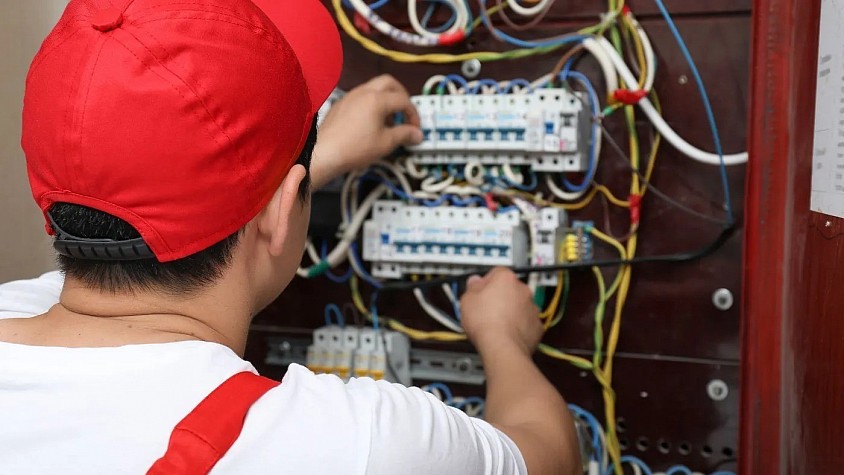
Power Resilience in the Rose City: Smart Home Electrical Planning for Today and Tomorrow
Building Reliable Home Power in Portland
Portland’s blend of historic homes and modern builds makes electrical planning more than a checklist—it’s a long-term strategy. From panel upgrades to standby power, thoughtful choices help households ride out storms, protect electronics, and keep daily life running smoothly. For many, partnering with a residential electrician portland residents trust ensures each step—design, installation, and upkeep—meets code and anticipates future needs.
Why Whole-Home Power Planning Matters
Home electrical systems do more than turn on the lights. They support HVAC, refrigeration, internet gear, medical devices, and security equipment. Even short interruptions can create headaches and losses. A comprehensive approach starts with a load assessment, addresses safety and capacity, and maps a path for energy additions like EV chargers or solar integration. When sizing backup power, many homeowners look to an electrical generator portland households can depend on to pick up essential circuits within seconds of an outage.
Choosing the Right Generator for Your Property
Standby generators vary by fuel type, footprint, and automation. Natural gas and propane units are common for steady performance and lower upkeep compared to many portable options. The ideal size aligns with your priority circuits—refrigeration, heating, sump pumps, network equipment, and key lighting—without oversizing. An experienced electrician portland homeowners call for generator projects will evaluate panel capacity, transfer switch needs, venting, clearances, and noise considerations, then provide a clear scope for Electrical Installation tailored to your site.
Installation, Repair, and Replacement Done Right
Proper generator setup hinges on a safe foundation, compliant fuel connections, and a correctly matched automatic transfer switch. Electrical Installation should include clean conduit runs, labeled circuits, surge protection, and thorough testing under load. Over time, normal wear, weather exposure, or changing household demands can point to Repair and Replacement. Whether that means fixing corroded connections, replacing a fatigued battery, or upgrading to a larger unit, prompt attention helps maintain reliability when outages strike.
Preventive Service and Maintenance Essentials
Reliable backup power comes from routine Service & Maintenance—specialize in Generators tasks that keep engines healthy and electronics protected. A well-structured plan often covers seasonal checks and quick responses to warning lights or unusual sounds. Key actions include:
Inspecting air filters, spark plugs, belts, and hoses for wear or debris.
Testing and replacing batteries as needed to ensure dependable starts.
Verifying fuel supply, regulators, and lines for secure, leak-free operation.
Exercising the generator under load and logging performance results.
Updating firmware or controller settings and checking transfer switch timing.
Confirming grounding, bonding, and surge protection for sensitive electronics.
Cleaning enclosures, clearing vegetation, and maintaining proper airflow.
Safety, Code, and Weather Considerations
Electrical work must align with local codes, utility interconnection rules, and manufacturer specifications. Transfer equipment should be listed for the application, and all grounding and bonding must be correct to avoid hazardous backfeed. Portland’s damp climate brings moss, corrosion, and debris concerns; mounting height, drainage, and weatherproofing are essential for long-term performance. Inside the home, labeling critical circuits and training family members on safe operation pays off when the lights blink and the system switches to backup.
Looking Ahead: Scalability and Smart Controls
As households adopt new loads—heat pumps, induction ranges, and EV charging—planning for headroom prevents surprise panel bottlenecks. Smart load management can prioritize essentials, shedding noncritical circuits when the generator is running. Remote monitoring adds peace of mind, delivering alerts long before small issues become outages. By pairing thoughtful design with diligent Service & Maintenance—specialize in Generators, a home’s electrical system stays adaptable, safe, and ready.
Conclusion
When the next storm rolls in or a grid hiccup appears, a well-chosen generator, expert Electrical Installation, and consistent care can make all the difference. With the support of a residential electrician portland homeowners rely on and the guidance of an experienced electrician portland professional, you can count on steady power and a resilient home for years to come.